
English| EUR
Suggested for you
More currencies
Choose a language
Cincinnati's food landscape stands apart from any other American city. The Queen City developed its own culinary vocabulary through waves of German immigration, riverboat commerce, and independent restaurant culture that refused to follow national trends.
Quick answer
Cincinnati is known for Cincinnati-style chili served over spaghetti, goetta (a German-inspired pork and oats breakfast sausage), Graeter's black raspberry chocolate chip ice cream made with the French pot process, and Montgomery Inn barbecue ribs with sweet-tangy sauce. These dishes emerged from the city's German heritage and independent restaurant traditions, creating flavors found nowhere else in America.
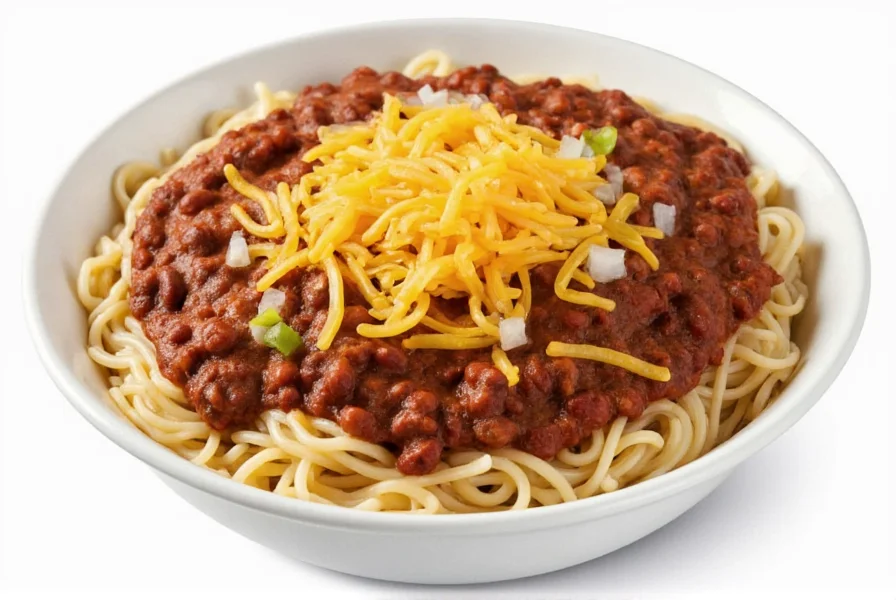
No other American city serves meat sauce over spaghetti and calls it chili, yet Cincinnati built an entire regional identity around this precise combination. Cincinnati-style chili arrived in 1922 when Macedonian immigrants adapted Mediterranean spices—cinnamon, chocolate, allspice—to American palates, creating a sauce that sparked fierce loyalty and inspired more than 250 chili parlors across the region. German butchers who settled in Cincinnati's Over-the-Rhine neighborhood during the 1800s created goetta by stretching pork and beef with pinhead oats, producing a breakfast staple that remains largely unknown beyond a 50-mile radius of the city. Sliced and pan-fried until the edges crisp, goetta appears on diner menus throughout Greater Cincinnati but rarely crosses state lines. The dish represents Cincinnati's practical German roots—nothing wasted, everything stretched, flavor built through patient technique rather than expensive cuts. Cincinnati food culture rewards specificity and resists homogenization. Local restaurants operate for decades under family ownership, recipe notebooks passed between generations without menu rewrites to match coastal trends. Graeter's still makes ice cream two gallons at a time in French pot freezers, a labor-intensive process abandoned by industrial producers but preserved here because texture matters more than scale. Montgomery Inn's sauce recipe, guarded since 1951, built a barbecue empire on tangy-sweet flavor that ignores regional orthodoxy about vinegar bases or tomato thickness. The best window to experience Cincinnati's signature foods runs from late morning through dinner service, when restaurants serve their full menus. Most iconic establishments open for lunch around 11:00 and continue through evening hours, though individual restaurant schedules vary. Weekend mornings offer the widest goetta availability as diners feature the breakfast sausage alongside standard fare.
“Cincinnati built an entire regional identity around meat sauce over spaghetti, creating flavors found nowhere else in America.”
The best arrival window to experience Cincinnati culinary specialties is 11:00–20:00, which aligns with local restaurant operations. Planning your visit around these hours ensures access to most dining establishments.
Mild, 55°F to 75°F
This period offers comfortable outdoor dining weather before the peak humidity of summer. It is an ideal time to explore regional food variety comfortably.
Warm to hot, 75°F to 88°F
Popular local festivals and outdoor markets are active. Reservations are recommended during this high-demand season.
Cool and pleasant, 55°F to 75°F
The weather remains favorable for walking between eateries. Fall harvest items appear on many seasonal menus.
Cold, 25°F to 45°F
Interior dining rooms provide a respite from colder temperatures. Expect shorter lines at established local food destinations.
Verdict: The best time to visit is during the spring or autumn months, arriving between 11:00 and 20:00 to align with local dining hours.
Cincinnati's culinary identity took root in the 1840s when German immigrants flooded the Ohio River valley, transforming the city into the nation's largest pork-processing center. Slaughterhouses lined the riverfront, earning Cincinnati the nickname "Porkopolis" and establishing the meat-centric foundation of what food is Cincinnati known for today. These German settlers brought traditions of sausage-making, beer brewing, and communal beer gardens, anchoring a working-class food culture that prized hearty portions and bold flavors. By 1850, nearly half the city's population claimed German heritage, and their goetta—a grain-and-pork breakfast sausage—became a weekday staple in kitchens across Over-the-Rhine. Greek and Macedonian immigrants arrived in waves between 1900 and 1920, clustering in neighborhoods near downtown and opening confectioneries, diners, and chili parlors. The Kiradjieff brothers introduced their spiced meat sauce over spaghetti in 1922 at Empress Chili, layering Mediterranean cinnamon, allspice, and chocolate into a dish that defied conventional Italian-American pasta. Competitors proliferated through the Depression, each parlor guarding proprietary spice ratios and serving the concoction in "ways"—three-way with cheese, four-way with onions or beans, five-way with both. Skyline Chili opened in 1949, spreading the format into a regional franchise empire. Today, visitors find goetta on breakfast menus at Findlay Market vendors and neighborhood diners, fried into crisp patties alongside eggs. Cincinnati chili parlors—Skyline, Gold Star, Camp Washington—anchor street corners across the metro, their neon signs and Formica counters unchanged since mid-century. The immigrant foodways that defined working-class Cincinnati persist as both everyday fuel and civic signature, legible in every diner booth and market stall.
German immigrants arrive in Cincinnati, establishing pork-processing dominance and introducing goetta to local kitchens.
Germans constitute nearly half of Cincinnati's population, embedding beer gardens and sausage traditions into the city's culture.
Greek and Macedonian immigrants open confectioneries and chili parlors, bringing Mediterranean spices to Cincinnati's dining scene.
Kiradjieff brothers debut spiced chili over spaghetti at Empress Chili, founding the Cincinnati chili tradition.
Skyline Chili opens, franchising the five-way chili format and cementing its place in regional identity.
Cincinnati chili parlors proliferate across neighborhoods, each defending proprietary spice blends and counter service rituals.
Goetta remains a breakfast staple at Findlay Market; chili parlors like Skyline and Camp Washington serve unchanged recipes under original neon.
Cincinnati food culture relies on precise vernacular and specific regional traditions that define the local dining experience. These cultural markers distinguish the city's culinary identity from other Midwestern hubs.
The standard Cincinnati chili menu uses a numeric 'way' system: 2-way is spaghetti and chili, 3-way adds cheese, 4-way includes onions or beans, and 5-way includes both. This shorthand allows for rapid ordering during peak service hours.
Goetta is a pin-head oat and pork sausage mixture brought to the region by German immigrants in the 19th century. It is traditionally sliced and fried until crispy, serving as a staple breakfast item in local diners.
Local chili parlors serve over two million pounds of Cincinnati-style chili to residents and visitors each year. The recipe is distinctively spiced with ingredients like cinnamon, cloves, and allspice rather than traditional chili powder profiles.
Graeter's Ice Cream is the only commercial manufacturer that still utilizes the French Pot process to create ice cream. This method freezes ice cream in small two-gallon batches, resulting in a denser product with lower air content.
Cincinnati confectioneries frequently produce buckeye candies, which consist of a peanut butter fudge ball dipped partially in chocolate. The shape and appearance are designed to mimic the nut of the Ohio buckeye tree.
The city's strong German baking heritage maintains a high demand for specific rye breads and pastries. Many long-standing local establishments still adhere to traditional leavening and shaping techniques brought from the Rhineland.
Cincinnati, Ohio, USA, is centrally located with major culinary districts accessible by car, public transit, and walking. The most efficient way to navigate between food venues is via local bus routes or rideshare services.
Metro (SORTA) to Downtown/OTR
I-71 or I-75 to downtown exits
Central Business District and Over-the-Rhine
Plan your travel within the best arrival window of 11:00–20:00 to align with local restaurant service. Utilizing parking garages in the Over-the-Rhine district simplifies access to concentrated dining hubs.
Everything you need to know about what food is cincinnati known for
Cincinnati is famous for its unique chili served over spaghetti or hot dogs, goetta, and a strong German-influenced culinary heritage. Many visitors also seek out local barbecue and artisanal ice cream parlors throughout the region. Finding out what food is cincinnati known for is best done by sampling these signature dishes directly from local institutions. Exploring these diverse Cincinnati culinary highlights provides a deep dive into the local culture.
There is no entrance fee to visit restaurants or food establishments in Cincinnati. You simply pay for the items you order at each individual eatery. Cincinnati culinary specialties are commercial goods; no entry fee is required to enjoy the local food scene.
The best arrival window to experience local restaurants is 11:00–20:00, which aligns with typical lunch and dinner service hours. This timeframe ensures that most establishments are open and fully prepared to serve guests. Knowing what food is cincinnati known for helps you plan your day to maximize your tasting opportunities.
You can book guided tours to navigate the city's food scene efficiently. These tours provide curated access to popular spots and hidden gems, helping you understand what food is cincinnati known for. Our booking platform offers various options to secure your place on a walking tour.
Prices for meals in Cincinnati vary depending on where you dine and what you order. While some signature dishes are budget-friendly, upscale dining experiences will carry higher costs. It is helpful to research local menus ahead of time to manage your dining budget.
Most local restaurants follow their own specific schedules, but you should check individual listings as many places may have varied hours. According to our official data, the general visitor infrastructure facilities are closed on Monday. Always plan your visits around the most active dining hours between Tuesday and Sunday.
Yes, the city offers many family-friendly environments where visitors of all ages can enjoy local dishes. From casual chili parlors to ice cream shops, there are many accessible locations for families. Exploring the city together is a great way to learn about the regional diet.
The distinctiveness comes from a blend of immigrant influences, particularly German and Mediterranean, which shaped the local palate over generations. This results in flavor profiles you will not find elsewhere in the country. You can discover these flavors by visiting the establishments featured in our guides.